Yes, Fatty Liver Can Improve
When someone sees “fatty liver” or fatty liver disease written in their ultrasound report, two things usually happen.
Some people get scared and think, “Is my liver damaged forever?”
Others ignore it and say, “It is common. Nothing will happen.”
The truth is somewhere in between.
Fatty liver should not be ignored, but it is also not always permanent. In many people, especially when it is found early, fatty liver can improve with the right lifestyle changes, weight control, better food habits, exercise, alcohol reduction, and medical guidance.
One of the most common questions people ask is: can fatty liver be reversed? The answer is yes, in many early-stage cases, it can improve — but only when the root causes are addressed properly.
In India, fatty liver is becoming very common. The Union Health Ministry has said that nonalcoholic fatty liver disease may be a “silent epidemic” in India, with community prevalence ranging from 9% to 32%. In simple words, nearly 1 to 3 out of every 10 people may have fatty liver or a related condition.
So, if you have fatty liver, you are not alone. But that does not mean you should take it lightly.
The good news is simple:
Fatty liver can often improve, but it needs consistency, not shortcuts.
What Does Reversing Fatty Liver Mean?
Many people think reversing fatty liver only means getting a normal ultrasound report. But in reality, reversal is bigger than that.
Reversing fatty liver can mean:
| What May Improve | What It Means |
| Less fat is stored in the liver | The liver has less fat burden |
| Better SGPT and SGOT levels | Liver stress may reduce |
| Better sugar control | Insulin resistance may improve |
| Better cholesterol and triglyceride levels | Metabolic health becomes better |
| Reduced belly fat | Liver fat risk may come down |
| Healthier weight | Overall health improves |
| Lower risk of liver inflammation | Future liver risk may reduce |
So, the goal is not just to “clean the liver.” The real goal is to improve the body’s internal health.
Fatty liver disease is often connected with weight, diabetes, cholesterol, alcohol, sleep, stress, and daily routine. That is why the solution must also be complete.
A Simple Truth Box
| Common Question | Honest Answer |
| Is fatty liver permanent? | Not always. Early-stage fatty liver can often improve. |
| Can fatty liver be reversed? | Yes, in many cases, especially when lifestyle changes are started early. |
| Can it reverse without lifestyle changes? | Usually no. Lifestyle correction is the foundation. |
| Can medicine alone reverse it? | Medicine may help selected people, but diet, exercise, weight, sugar, and alcohol control are also important. |
| Is Grade 1 fatty liver serious? | It is an early warning sign and should not be ignored. |
| Can Grade 2 fatty liver improve? | It can improve in many people, but it needs proper care and monitoring. |
Can Grade 1 and Grade 2 Fatty Liver Be Reversed?
Grade 1 Fatty Liver
Grade 1 fatty liver is usually an early stage. At this point, many people feel completely normal. There may be no pain, no tiredness, and no obvious fatty liver symptoms.
But Grade 1 does not mean “nothing to worry about.” It means your liver has started storing extra fat, and your body is giving you an early warning.
With timely lifestyle changes, Grade 1 fatty liver can often improve.
Grade 2 Fatty Liver
Grade 2 fatty liver means fat buildup is more than mild. It can still improve in many people, but it usually needs more focused effort.
This is where proper monitoring becomes important. A doctor may check your liver enzymes, blood sugar levels, cholesterol, weight, waist circumference, and alcohol intake, and may suggest FibroScan or other tests if needed.
What About Grade 3 Fatty Liver?
Grade 3 fatty liver should not be managed only through home remedies, online diets, or random detox drinks. It needs proper doctor-led evaluation.
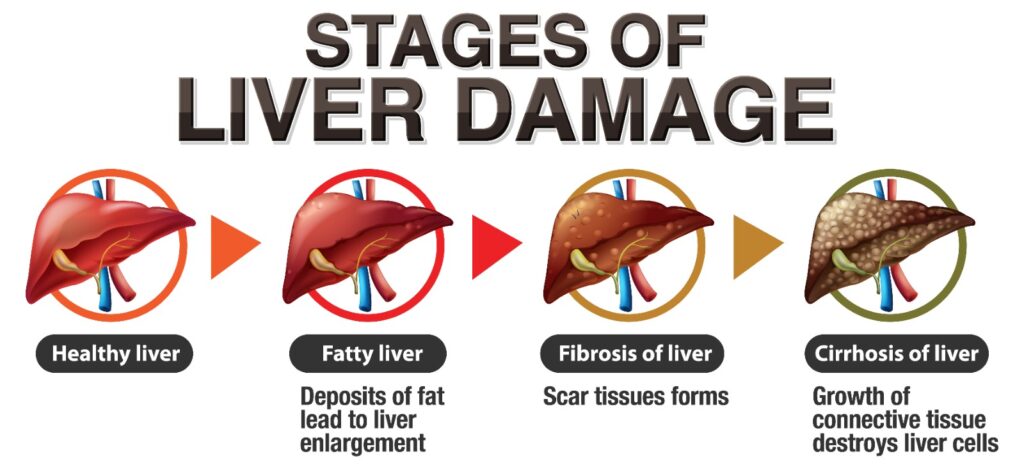
Improvement may still be possible, but the doctor has to check for inflammation, fibrosis, or advanced liver damage.
The earlier you act, the better your chances of protecting your liver.
What Causes Fatty Liver Disease?
To understand how fatty liver improves, it is important to understand what causes fatty liver disease in the first place.
Fatty liver usually happens when extra fat starts collecting inside the liver cells. This can happen due to many reasons, such as:
- Belly fat
- Weight gain
- Diabetes or prediabetes
- Insulin resistance
- High cholesterol
- High triglycerides
- Less physical activity
- High sugar intake
- Fried and processed foods
- Alcohol use
- Poor sleep
- Stress
- Irregular routine
There are two common types of fatty liver: nonalcoholic fatty liver disease and alcoholic fatty liver disease.
Nonalcoholic fatty liver disease happens in people who drink little or no alcohol. It is commonly linked with obesity, diabetes, insulin resistance, high cholesterol, high triglycerides, and a sedentary lifestyle.
Many people also search for this as non alcoholic fatty disease or non alcoholic fatty liver disease, but the commonly used medical term is nonalcoholic fatty liver disease.
Alcoholic fatty liver disease happens due to regular or excessive alcohol intake. In this condition, reducing or avoiding alcohol becomes one of the most important steps for liver recovery.
What Helps Fatty Liver Improve?

Fatty liver improves when the root causes are corrected. That means you need to look beyond the liver and focus on your full lifestyle and metabolic health.
| What Actually Helps | What Does Not Help Much |
| Gradual weight loss | Crash dieting |
| Regular walking or exercise | Exercising once in a while |
| Reducing sugar and refined carbs | Only avoiding oil |
| Managing diabetes and cholesterol | Ignoring blood reports |
| Reducing or avoiding alcohol | Detox drinks |
| Regular doctor follow-up | Stopping care after one normal report |
Fatty liver reversal is not about doing one big thing for one week. It is about doing small correct things again and again.
That is where many people struggle. They start with full motivation, follow a diet for a few days, then stop. Or they walk for one week and then forget. But the liver needs regular support.
Weight Loss: How Much Is Helpful?
If a person is overweight or has belly fat, weight loss can make a big difference.
According to AASLD guidance, even 3% to 5% weight loss can improve fat in the liver, while greater weight loss may be needed to improve inflammation and fibrosis.
This does not mean you need to lose 20 kg suddenly. Even small, steady weight loss can help.
| Current Weight | 5% Weight Loss | 10% Weight Loss |
| 70 kg | 3.5 kg | 7 kg |
| 80 kg | 4 kg | 8 kg |
| 90 kg | 4.5 kg | 9 kg |
| 100 kg | 5 kg | 10 kg |
The goal is not crash dieting.
The goal is slow, steady, and sustainable weight loss.
Crash diets may show quick results on the weighing scale, but they are difficult to continue. Many people feel weak, get cravings, and gain the weight back again. A realistic routine is always better than a temporary extreme diet.
Best Lifestyle Changes for Fatty Liver Reversal
1. Move Every Day
You do not need to start with a gym membership on day one. Start simple.
Walking daily can be a very good first step. Brisk walking, cycling, swimming, yoga, strength training, or even taking stairs can help your body use energy better.
Also, do not sit for long hours continuously. If you have a desk job, take short walking breaks every 45–60 minutes.
Small movement, done daily, is better than intense exercise done once a week.

2. Eat Smarter, Not Less
A fatty liver diet does not mean starving yourself.
It means making better choices.
Try to reduce:
- Sugary drinks
- Sweets
- Fried food
- Maida items
- Bakery foods
- Packaged snacks
- Late-night heavy meals
- Excess alcohol
Try to add more:
- Vegetables
- Dal, sprouts, curd, paneer, eggs, fish, or other protein sources
- Whole grains
- Fruits in moderation
- Nuts and seeds in small quantities
- Home-cooked food
The idea is not to make food boring. The idea is to make food liver-friendly.
You can internally link here to your next diet blog using this anchor:
Fatty Liver Diet: What to Eat and What to Avoid
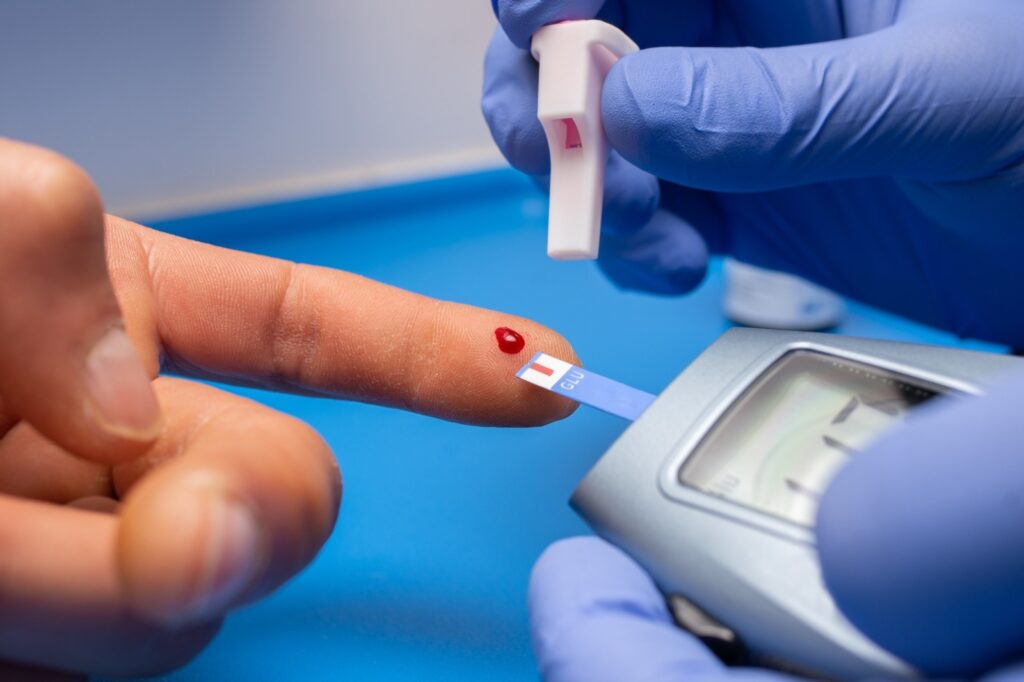
3. Control Sugar and Cholesterol
Fatty liver is often connected with diabetes, prediabetes, high triglycerides, and high cholesterol.
So, if your sugar or cholesterol is high, only focusing on the liver is not enough. Your metabolic health also needs attention.
This is especially important for people with:
- Diabetes
- Prediabetes
- High triglycerides
- High cholesterol
- Belly fat
- Obesity
- High blood pressure
When sugar and cholesterol are better controlled, the liver also gets support.
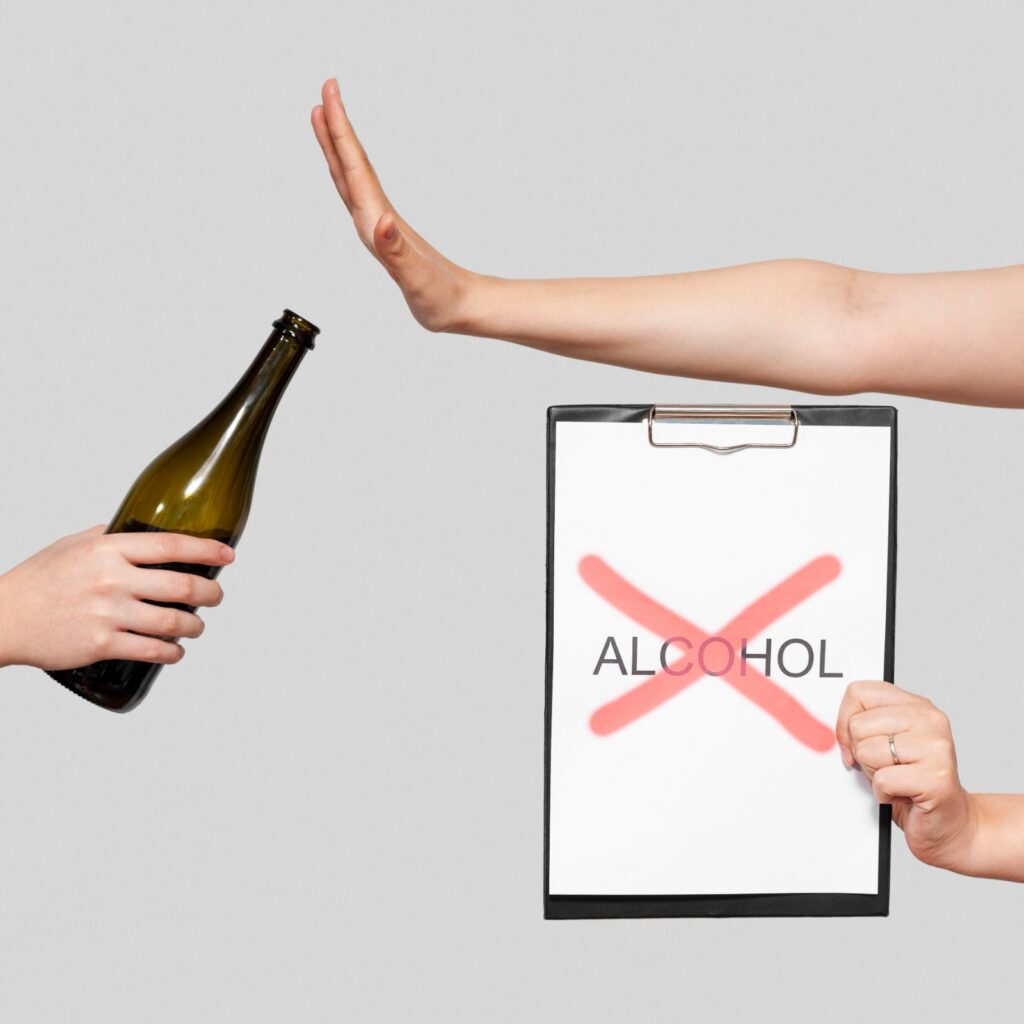
4. Avoid or Reduce Alcohol
Alcohol can worsen liver fat and liver injury.
Even if your fatty liver is not alcohol-related, alcohol can still add extra burden on the liver. If your SGPT or SGOT is high, or if your ultrasound shows moderate or severe fatty liver, you should discuss alcohol use honestly with your doctor.
If someone has alcoholic fatty liver disease, alcohol reduction or avoidance becomes one of the most important parts of recovery.
This is not about judgment. It is about liver protection.
5. Sleep Better and Manage Stress
Sleep and stress are often ignored, but they matter.
Poor sleep can increase cravings, hunger, weight gain, and poor sugar control. Stress can also lead to emotional eating and irregular routines.
Simple habits can help:
- Sleep at a fixed time
- Avoid heavy late-night meals
- Reduce screen time before bed
- Walk after meals
- Practice breathing or relaxation
- Avoid stress eating
- Keep a realistic routine
A healthy liver routine is not only about food. It is also about how you live every day.
What Does Not Reverse Fatty Liver?
This is important because many people waste time trying quick fixes.
| Common Belief | Reality |
| Detox drinks can reverse fatty liver | They do not fix the root causes like weight, sugar, cholesterol, alcohol, or inactivity. |
| One medicine is enough | Medicine cannot replace lifestyle correction. |
| Crash dieting works faster | It is hard to maintain and may cause weight regain. |
| Only avoiding oil is enough | Sugar, refined carbs, alcohol, and inactivity also matter. |
| No symptoms means no problem | Fatty liver can stay silent for years. |
| One normal report means everything is fine forever | Risk can come back if lifestyle habits do not change. |
The body does not need drama. It needs discipline.
No magic drink can replace daily walking, better food, weight control, and proper medical follow-up.
How Long Does It Take to Improve Fatty Liver
There is no fixed answer for everyone.
Some people may see improvement in liver enzymes within a few months. For others, ultrasound changes may take longer. If there is inflammation or fibrosis, improvement may need more time and closer monitoring.
How fast fatty liver improves depends on:
- Fatty liver grade
- Weight loss
- Diet habits
- Exercise routine
- Diabetes control
- Cholesterol levels
- Alcohol intake
- Fibrosis risk
- Consistency
Avoid believing claims like “reverse fatty liver in 15 days” or “clean your liver in one month.”
Fatty liver usually develops over time. So, improvement also needs time.
The important thing is not speed.
The important thing is direction.
Fatty Liver Symptoms: When Should You See a Doctor?
You should not wait for serious symptoms to take action.
One reason fatty liver disease is often ignored is that fatty liver symptoms may be mild or absent in the early stage.
Common fatty liver disease symptoms may include:
- Constant tiredness
- Weakness
- Heaviness or discomfort on the right side of the abdomen
- Bloating
- Poor digestion
- Increased belly fat
- High SGPT or SGOT
- Fatty liver seen on ultrasound
But remember, many people may not have obvious symptoms. That is why reports and risk factors matter.
Please consult a doctor if:
- Your ultrasound shows Grade 2 or Grade 3 fatty liver
- Your SGPT or SGOT is high
- You have diabetes or prediabetes
- You have obesity or belly fat
- You have high cholesterol or triglycerides
- You drink alcohol regularly
- You feel constant tiredness
- You feel heaviness or discomfort on the right side of the abdomen
- You have been told there may be fibrosis
- You are confused about what diet or exercise is safe for you
Fatty liver may be silent, but your reports may already be giving signals.
Do not ignore those signals.
How Rogtham Can Help With Fatty Liver Recovery
Fatty liver reversal needs a structured plan. It is not just about giving one diet chart to everyone.
At Rogtham, fatty liver disease is understood as a lifestyle and metabolic health condition. The focus is on understanding why fat is building up in the liver and what changes can actually work for the patient.
Rogtham’s Fatty Liver Reversal Program focuses on structured lifestyle solutions, medical guidance, health assessment, required tests, and personalized diet and exercise guidance. Rogtham’s own program page explains that fatty liver reversal requires structured lifestyle solutions and medically guided daily habit improvement.
Rogtham can help with:
- Liver health assessment
- Fatty liver grade and risk evaluation
- Doctor consultation
- Required tests and health assessment
- Personalized diet guidance
- Exercise and lifestyle planning
- Weight management support
- Diabetes and cholesterol management
- Regular monitoring
- Preventive liver care
You can add the internal link here:
Explore the Rogtham Fatty Liver Reversal Program:
https://rogtham.com/fatty-liver-treatment/
Suggested CTA line:
If you are serious about improving fatty liver, a structured doctor-guided plan can help you take the right steps instead of trying random remedies.
Conclusion: Fatty Liver Reversal Needs Consistency
Fatty liver is not always permanent. In many people, especially when it is detected early, it can improve.
But reversal does not happen through shortcuts.
It does not happen because of one detox drink.
It does not happen because of a one-week diet.
It does not happen by ignoring reports and hoping things will settle on their own.
Fatty liver improves when you work on the real causes: weight, food habits, exercise, sugar, cholesterol, alcohol, sleep, stress, and regular monitoring.
If you are wondering how can you reverse liver damage, the answer depends on the stage. Early fatty liver may improve with lifestyle changes, but fibrosis, cirrhosis, or advanced liver disease needs proper medical care and monitoring.
Your liver works silently for you every day. Now it may be asking for some care in return.
Want a personalized plan for fatty liver recovery? Book a consultation with Rogtham and take the first step toward doctor-guided fatty liver reversal.
FAQs About Fatty Liver Reversal
1. Is fatty liver permanent?
No, fatty liver is not always permanent. In many early-stage cases, it can improve with lifestyle changes, weight control, exercise, better diet, alcohol reduction, and medical guidance.
2. Can fatty liver be reversed?
Yes, fatty liver can often improve, especially when it is found early and the root causes are managed properly. Reversal depends on the grade of fatty liver, lifestyle habits, alcohol intake, diabetes, cholesterol, and overall health condition.
3. Can Grade 1 fatty liver be reversed?
Yes, Grade 1 fatty liver can often improve because it is usually an early stage. But it should not be ignored because it is still a warning sign.
4. Can Grade 2 fatty liver be reversed?
Grade 2 fatty liver may improve in many people, but it needs more focused lifestyle changes and regular monitoring.
5. What causes fatty liver disease?
Common causes include belly fat, obesity, diabetes, insulin resistance, high cholesterol, high triglycerides, poor diet, lack of exercise, alcohol use, stress, poor sleep, and irregular routine.
6. What are common fatty liver symptoms?
Common fatty liver symptoms may include tiredness, weakness, bloating, heaviness on the right side of the abdomen, poor digestion, increased belly fat, and abnormal liver enzymes. Many people may have no symptoms in the early stage.
7. Can nonalcoholic fatty liver disease improve?
Yes, nonalcoholic fatty liver disease can often improve with weight loss, regular exercise, better food habits, sugar control, cholesterol management, and medical monitoring.
8. Is alcoholic fatty liver disease reversible?
Alcoholic fatty liver disease may improve if alcohol is reduced or stopped early, but this should be done with medical guidance, especially if liver enzymes are high or liver damage is suspected.
9. How much weight loss helps fatty liver?
Even modest weight loss can help reduce liver fat. For people who are overweight, steady weight loss of around 5% or more can support better liver health.
10. How can you reverse liver damage?
This depends on the stage of liver damage. Early fatty liver may improve with lifestyle changes, but fibrosis, cirrhosis, or advanced liver disease needs doctor-led treatment and monitoring.
11. Can fatty liver reverse without medicine?
Some early-stage cases may improve with lifestyle changes alone, but medical evaluation is important to understand the grade, liver enzyme levels, and risk of fibrosis.
12. When should I see a doctor for fatty liver?
You should see a doctor if you have Grade 2 or Grade 3 fatty liver, high SGPT/SGOT, diabetes, obesity, high cholesterol, alcohol intake, fatigue, abdominal heaviness, or confusion about the right diet and exercise plan.