In today’s fast-moving world, lifestyle diseases are becoming increasingly common, especially in India. Health conditions such as diabetes, obesity, heart disease, fatty liver, high blood pressure, and digestive issues are no longer limited to older age groups. Many people in their 20s and 30s are also facing these problems.
This rise is not happening suddenly. It is closely connected to how our daily lives have changed. Long working hours, increased screen time, less physical movement, irregular eating patterns, poor sleep, high stress, processed food, smoking, and alcohol consumption have become common parts of modern life.
The most important thing to understand is this: many lifestyle diseases are not only medical problems. They are also habit-driven conditions. Medicines may help control certain symptoms or health markers, but long-term improvement often depends on how consistently we improve our daily habits.
A healthier life does not always require extreme diets, expensive supplements or complicated routines. In many cases, it begins with simple, practical changes that can be followed every day.
What Are Lifestyle Diseases?
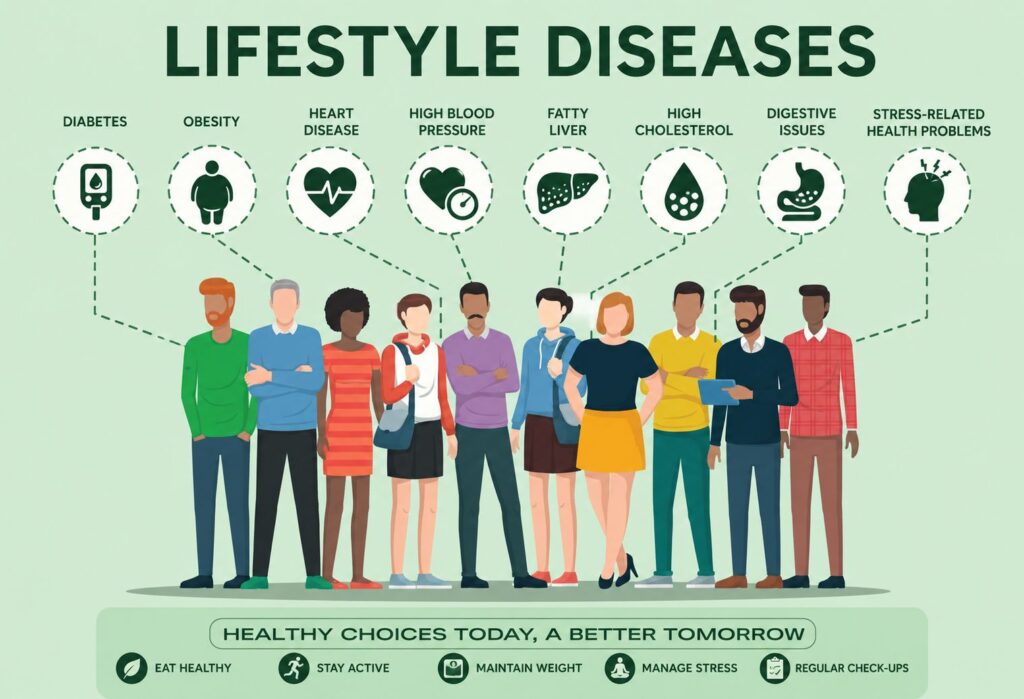
Lifestyle diseases are health conditions strongly linked to how we live. They usually develop over time because of repeated patterns such as unhealthy eating, lack of exercise, poor sleep, chronic stress, smoking, alcohol use and excessive screen time.
Common examples of lifestyle diseases include:
Diabetes
Obesity
Heart disease
High blood pressure
Fatty liver
High cholesterol
Digestive issues
Stress-related health problems
These conditions usually do not develop overnight. They are often the result of months or years of small daily habits that slowly affect the body.
That is why the solution also needs to be consistent. A few days of strict dieting or one month of exercise is not enough if the same unhealthy routine continues.
Health is not repaired instantly. It is rebuilt gradually.
Why Are Lifestyle Diseases Increasing in India?
India is seeing a rapid rise in lifestyle-related health problems. Urban lifestyles, digital dependency, processed food consumption, stress, long working hours, and lack of physical activity are major contributors.
Many people spend most of their day sitting, either at work or in front of screens. Home-cooked meals are often replaced by packaged food, fast food, or irregular eating. Sleep is delayed because of work pressure, entertainment, or mobile phone usage. Stress has become normal, and preventive health checkups are often ignored.
These habits may look small in daily life, but over time, they create a major impact on metabolism, digestion, weight, heart health, liver function, and overall well-being.
Modern life has made comfort easy, but health more difficult. We are eating more processed food, moving less, sleeping later, and carrying more stress than before.
This is why lifestyle correction is no longer optional. It has become necessary.
Why Quick Fixes Do Not Work for Chronic Health Problems
One of the biggest misconceptions today is that health problems can be solved quickly. Many people look for fast solutions such as crash diets, detox plans, supplements, strict workout routines or medicines that promise quick results.
These methods may show temporary improvement, but they often fail to create lasting change.
The reason is simple: lifestyle diseases do not develop overnight. They are the result of repeated daily habits over a long period. So the solution also cannot be short-term.
A person cannot balance years of poor sleep, irregular eating, high stress, and a sedentary routine with a few weeks of dieting or exercise. The body responds better to consistency than intensity.
Quick fixes usually focus on results. Lifestyle change focuses on the root cause.
That is why sustainable habits are more powerful than temporary shortcuts.
Medication vs Lifestyle Changes: What Is the Difference?
Medicines play an important role in healthcare. They can help control blood sugar, blood pressure, cholesterol and other health markers. For many people, medicines are necessary and should only be started, changed or stopped under medical supervision.
However, medicines have limitations.
Medicines can help manage a condition, but they do not automatically change the habits that may be contributing to the problem.
For example, a person taking medicine for diabetes may see improved sugar levels. But if their eating habits, physical activity, sleep and stress remain unchanged, the underlying lifestyle pattern continues.
Similarly, a person taking medicine for cholesterol or blood pressure may still need to improve diet, movement, sleep and stress management for better long-term health.
The goal is not to reject medicine. The goal is to understand that medicine and lifestyle correction should work together.
Medicines can support health. Lifestyle determines the direction of health.
7 Daily Habits That Help Prevent Lifestyle Diseases
The solution to lifestyle diseases does not always require extreme changes. It begins with simple daily habits that are realistic and sustainable.
Small habits may look ordinary, but when repeated consistently, they can create powerful long-term results.
1. Eat Simple, Home-Cooked Food
Food is one of the biggest factors affecting health. Traditional Indian meals were often simple and balanced, including dal, roti, sabzi, rice, curd, seasonal vegetables and locally grown grains.
Today, processed and packaged foods have become common. These foods are often high in sugar, salt, unhealthy fats, and preservatives. Irregular eating, skipping meals, overeating at night, and frequent snacking can also disturb digestion and metabolism.
A healthy eating pattern does not mean following a complicated diet. It means becoming more aware of what you eat, when you eat, and how much you eat.
Simple steps can help:
Eat more home-cooked meals
Reduce processed and packaged foods
Include vegetables, fruits, dal, pulses, and whole grains
Avoid overeating late at night
Eat at regular times
Drink enough water
The goal is not perfection. The goal is consistency.

2. Move Your Body Every Day
The human body is designed to move. But modern life has made people more sedentary than ever.
Long hours at desks, online meetings, screen time, use of vehicles for short distances and lack of outdoor activity have reduced daily movement. This directly affects metabolism, weight, energy levels and overall health.
Regular movement does not always mean going to the gym or doing intense workouts. Even simple activities can help when done consistently.
You can start with:
Daily walking
Stretching
Taking stairs when possible
Standing breaks during work
Light yoga
Basic home exercises
Moving a little every day is better than exercising intensely once in a while and then stopping.
3. Improve Sleep Quality
Sleep is one of the most ignored parts of health. Many people focus on food and exercise but forget that poor sleep can affect the entire body.
Late-night screen use, work pressure, stress and irregular routines often disturb sleep. Poor sleep can affect hormones, hunger, mood, energy, weight, blood sugar and mental clarity.
A health supplement cannot replace good sleep. The body needs proper rest to repair, recover and function well.
Simple ways to improve sleep include:
Sleep and wake up at regular times
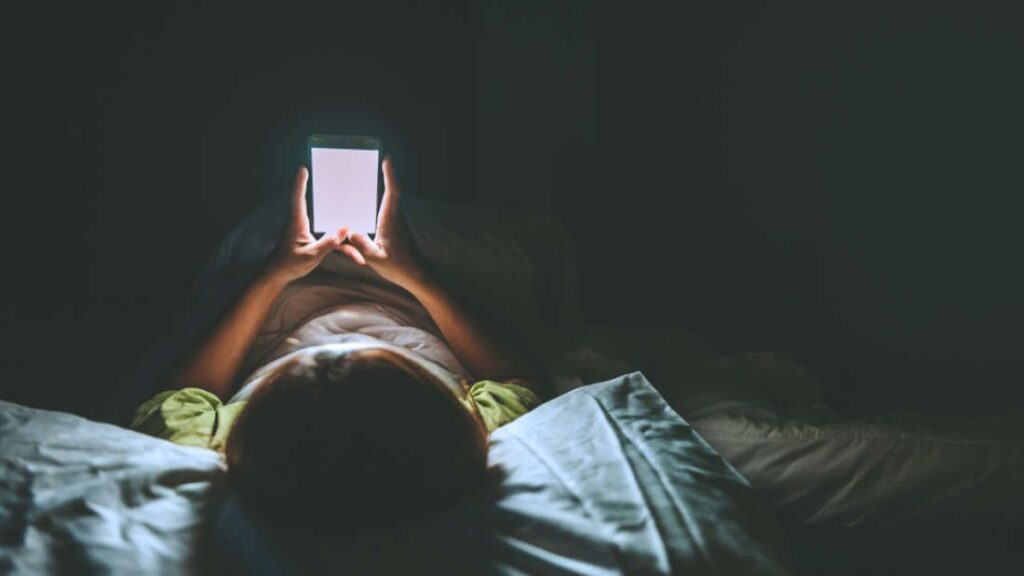
Avoid screens before bedtime
Reduce caffeine late in the day
Keep the bedroom calm and dark
Avoid heavy meals very late at night
Create a relaxing night routine

4. Manage Stress Before It Controls Your Health
Stress has become a normal part of modern life, especially in urban India. Work pressure, financial responsibilities, family expectations and fast-paced routines can keep the mind constantly active.
Chronic stress can affect digestion, sleep, hormones, appetite, weight and energy. It can also lead to overeating, emotional eating, poor sleep and fatigue.
Managing stress does not always require complicated techniques. Small daily actions can help calm the mind.
You can try:
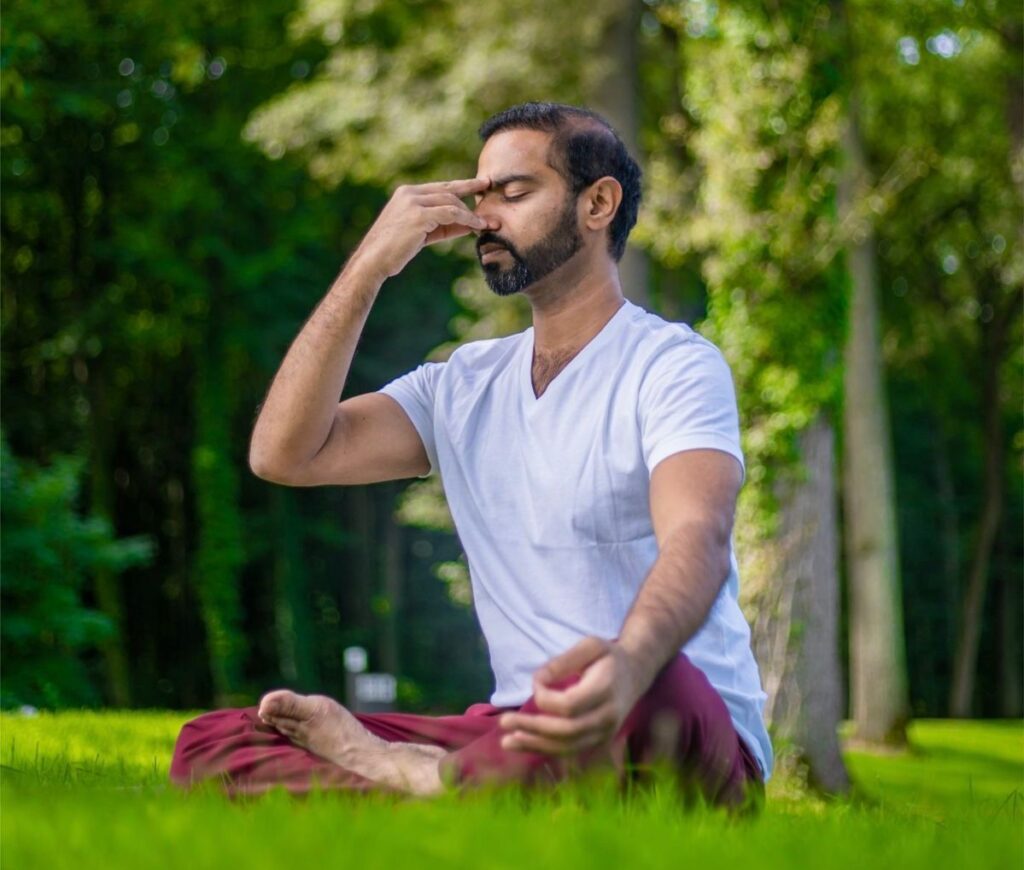
Deep breathing
Short breaks during work
Spending time with family
Walking outdoors
Listening to calming music
Practicing yoga or meditation
Reducing unnecessary screen time
Doing hobbies you enjoy
A calm mind supports a healthier body.

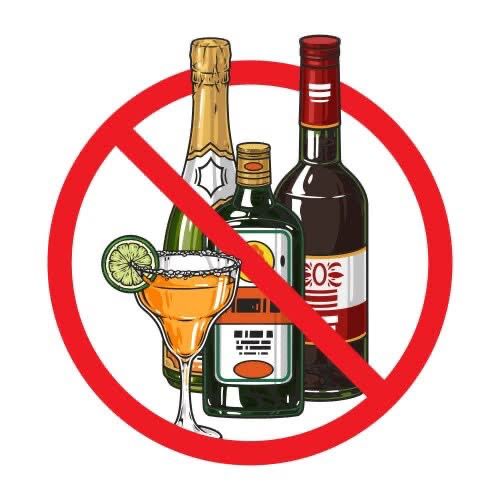
5. Reduce Alcohol, Smoking and Harmful Social Habits
Smoking and alcohol are often associated with social life, relaxation or professional networking. But these habits can have serious long-term effects on health.
Smoking increases the risk of lung disease, heart disease, and several other health problems. Alcohol can affect the liver, metabolism, weight, sleep, and overall wellness.
One common mistake people make is continuing harmful habits while depending only on medicines or supplements for protection. This approach does not solve the root issue.
True wellness comes from discipline, not excess.
Real luxury is not late nights, overindulgence, or unhealthy habits. Real luxury is a body that feels energetic, balanced, and strong.
6. Use Technology Wisely
Technology and AI have become a major part of daily life. They help us work faster, learn better, and stay connected. But excessive screen time can also reduce movement, disturb sleep, and increase mental stress.
The goal is not to avoid technology completely. The goal is to use it wisely.
Fitness apps, smartwatches, and health tracking tools can help monitor steps, sleep, heart rate, and activity. At the same time, it is important to avoid digital addiction.
Healthy digital habits include:
Taking screen breaks
Avoiding phone use before sleep
Tracking daily steps
Using reminders to move
Reducing unnecessary scrolling
Keeping some screen-free time daily
Technology should support your health, not control your routine.
7. Go for Regular Health Checkups
In India, many people visit a doctor only when they feel unwell. But lifestyle diseases often develop silently. High blood sugar, high cholesterol, fatty liver or high blood pressure may not show clear symptoms in the beginning.
Regular health checkups can help detect problems early. Early detection gives you a better chance to make lifestyle changes before the condition becomes more serious.
Basic monitoring may include:
Blood sugar
Blood pressure
Cholesterol
Liver function
Weight and waist measurement
Vitamin levels, if advised
Doctor-recommended tests
Prevention is easier than treatment. Regular checkups help you understand your body better and take action at the right time.

Can Lifestyle Diseases Be Reversed?
Many people ask whether lifestyle diseases can be reversed.
The answer depends on the condition, its stage, the person’s age, medical history, and consistency with lifestyle changes. Some lifestyle-related conditions can improve significantly with the right combination of medical care, nutrition, physical activity, sleep correction, stress management, and regular monitoring.
However, it is important to avoid unrealistic promises. Not every condition can be fully reversed, and no one should stop medicines without consulting a qualified healthcare professional.
The better approach is to focus on improvement.
Can blood sugar improve?
Can weight be reduced?
Can liver health improve?
Can energy increase?
Can dependency on medicines be reduced under medical guidance?
Can daily life become healthier?
In many cases, yes — but only with consistency and proper guidance.
Lifestyle change is not a one-time treatment. It is a long-term health strategy.
The Bigger Picture: Redefining Health Priorities
There is also a need for a mindset shift.
Today, overworking, late nights, unhealthy eating, constant stress, and lack of rest are often normalized. Many people ignore their health until symptoms become serious.
But health should not be treated as a secondary priority. It is the foundation of everything — work, family, confidence, productivity, and quality of life.
We need to stop seeing healthcare only as something we need after falling sick. Instead, health should become a daily practice.
Eating well, sleeping on time, moving daily, and managing stress may look simple, but these are the basics that protect long-term health.
A healthy lifestyle is not old-fashioned. It is essential.
A Simple Daily Formula for Better Health
If we simplify everything, the solution comes down to a few basic habits:
Eat simple, clean, and home-cooked food
Move your body every day
Sleep well and on time
Manage stress
Avoid smoking and excess alcohol
Reduce processed foods
Limit screen time
Go for regular checkups
Stay consistent
Small steps, done daily, create big results over time.
You do not need to change everything in one day. Start with one habit. Then build slowly.
Consistency is more powerful than intensity.
How Rogtham Helps With Lifestyle Disease Management
At Rogtham, the approach is not limited to treating symptoms or giving a general list of medicines. The focus is on understanding the person behind the condition.
Every individual has a different routine, body type, eating pattern, sleep cycle, stress level, and health challenge. That is why one fixed solution does not work for everyone.
Rogtham focuses on a personalized and practical approach. Instead of extreme diets or strict routines, the goal is to help people make changes they can actually follow in daily life.
The approach looks at:
Eating habits
Sleep pattern
Activity level
Stress levels
Daily routine
Health history
Lifestyle challenges
Based on this, realistic changes can be suggested to support better long-term health.
The idea is simple: real change happens when the solution fits into your life.
Sustainable lifestyle choices are more powerful than temporary fixes.
Conclusion: Take Control of Your Health Journey
There is no one perfect health plan for everyone. But there is one common truth: your lifestyle plays a major role in your long-term health.
Medicines can help manage health conditions, but lasting improvement often requires changes in food, movement, sleep, stress, and daily routine.
The solution to lifestyle diseases is not about punishment, strict dieting, or unrealistic discipline. It is about understanding your habits and improving them step by step.
Start small. Stay consistent. Track your progress. Take medical guidance when needed.
Your health is not built in one day. It is built through the choices you repeat every day.
A better lifestyle today can create a healthier future tomorrow.
Want to understand which habits may be affecting your health?
Rogtham helps you identify your lifestyle patterns and build a personalized, practical plan for better long-term health.
Start with a lifestyle assessment today and take the first step toward a healthier life.
FAQs
1. What are lifestyle diseases?
Lifestyle diseases are health conditions linked to long-term daily habits such as poor diet, lack of physical activity, poor sleep, chronic stress, smoking, alcohol use, and excess screen time. Common examples include diabetes, obesity, heart disease, high blood pressure, and fatty liver.
2. Why are lifestyle diseases increasing in India?
Lifestyle diseases are increasing in India because of sedentary routines, processed food consumption, stress, irregular sleep, long working hours, digital addiction, and reduced physical activity.
3. Can lifestyle diseases be reversed?
Some lifestyle-related conditions can improve significantly with consistent lifestyle changes and medical guidance. However, reversal depends on the condition, severity, age, health history and consistency. Always consult a qualified healthcare professional before changing medicines or treatment.
4. Is medicine enough for lifestyle diseases?
Medicine can help manage symptoms and health markers such as blood sugar, blood pressure, and cholesterol. But long-term improvement usually also requires lifestyle changes such as better food, movement, sleep, and stress management.
5. What are the best habits to prevent lifestyle diseases?
The best habits include eating simple home-cooked food, walking daily, sleeping well, managing stress, avoiding smoking, reducing alcohol, limiting processed foods, controlling screen time, and going for regular health checkups.
6. How does Rogtham help with lifestyle diseases?
Rogtham focuses on a personalized lifestyle-based approach. It looks at your eating habits, sleep, activity, stress, and daily routine to suggest practical changes that can support long-term health.
Disclaimer
This article is for general awareness only and should not replace medical advice. People with diabetes, high blood pressure, heart disease, fatty liver, or any chronic health condition should consult a qualified healthcare professional before making major lifestyle, diet, or medication changes.